Home Decor Store Guide: Shop Smarter for Every Room Today
Some shopping trips feel exciting at first and confusing five minutes later. You walk into a beautiful aisle, see pillows, lamps, baskets, mirrors, rugs, candles, and wall art, then suddenly wonder what will actually work in your home. Choosing the right home decor store can turn that overwhelm into confidence.
Your home matters because it is where ordinary life happens. It is where you rest, eat, work, welcome friends, raise children, watch movies, drink coffee, and recover from long days. The pieces you choose should make those moments easier and more enjoyable, not just prettier for a photo.
A good shopping experience does not begin with buying. It begins with understanding your room, your taste, your budget, and the way you actually live. Once those pieces are clear, every shelf and product page becomes easier to judge.
The best homes rarely come from one perfect purchase. They come from a series of thoughtful choices: the right sofa depth, a rug that fits the room, lamps that soften the evening, storage that hides clutter, and a few details that make the space feel like yours.
[Infographic: A simple shopping checklist with five steps: measure the room, define the mood, choose foundation pieces, compare materials, add personal accents.]
What Makes a Good home decor store Worth Your Time?
A simple definition
A décor retailer sells items that help furnish, style, organize, and personalize a home. This can include furniture, rugs, lighting, curtains, bedding, mirrors, artwork, tableware, baskets, candles, vases, hardware, storage pieces, and seasonal accents.
A good home decor store does more than offer attractive products. It helps you imagine how pieces will work in real rooms. Clear dimensions, helpful photos, material details, care instructions, delivery information, and honest reviews all make shopping easier.
Why the right shop matters
The wrong shop can tempt you into buying trendy pieces that do not fit your room or your routine. The right one helps you find items that match your scale, budget, style, and lifestyle.
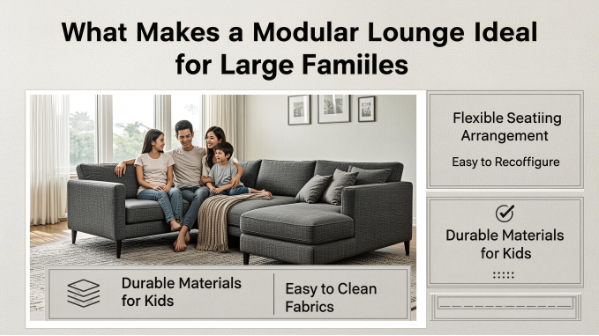
For example, a home with children or pets may need washable rugs, durable fabrics, sturdy tables, rounded edges, and closed storage. A renter may prefer plug-in lighting, removable accents, freestanding shelves, and lightweight furniture. A homeowner planning to stay for years may invest in solid wood, custom upholstery, and statement fixtures.
Start With the Room Before You Start Shopping
Decide what the room needs most
Before visiting a home decor store, stand in the room you want to improve and ask what is missing. Does it need softness, storage, better lighting, color, seating, art, warmth, height, or breathing space?
A living room with only a sofa and television may need a rug, coffee table, side tables, lamps, curtains, and wall art before it needs decorative objects. A bedroom may need better bedding, nightstands, proper lighting, and window coverings before candles or trays.
Choose three style words
You do not need a strict design label, but three style words can keep you focused. Try combinations like cozy, collected, personal; bright, modern, simple; earthy, relaxed, handmade; or classic, tailored, soft.
These words become your filter. When you see a lamp, rug, mirror, or vase, ask whether it supports the feeling you want. If not, leave it behind, even if it looks beautiful on its own.
Bring measurements with you
Measurements prevent expensive mistakes. Keep room dimensions, wall widths, ceiling height, window measurements, doorway clearance, and key furniture sizes on your phone.
For rugs, know the ideal size before shopping. For lamps, measure table height and shade width. For sofas and chairs, note seat depth, seat height, and traffic paths. A piece can be stylish and still be wrong for your space.
How to Shop a home decor store Like a Designer
Begin with foundation pieces
Every room needs a foundation. In a living room, that might be seating, rug, coffee table, side tables, storage, and lighting. In a bedroom, it may be the bed, mattress, nightstands, dresser, curtains, and lamps.
Foundation pieces affect comfort and layout. If they are wrong, accessories cannot fully fix the room. A tiny rug, poor lighting, or awkward sofa placement will always make a room feel unfinished.
Add texture before adding clutter
Texture makes a home feel layered. Look for linen, cotton, wool, wood, stone, ceramic, glass, metal, rattan, jute, leather, velvet, and woven materials.
A neutral room especially needs texture. If everything is smooth, flat, and similar in color, the room may feel cold. A woven basket, nubby pillow, wood table, ceramic lamp, or wool rug can add life without adding visual mess.
Use accessories with restraint
Accessories are the jewelry of a room, but too many can make a space feel busy. Choose fewer pieces with better scale.
A large vase on a console often looks stronger than five tiny objects. One oversized mirror can do more for a hallway than a cluster of small accents. A substantial lamp can make a side table feel finished instantly.
What to Buy First for Each Room
Living room
The living room should feel comfortable, balanced, and easy to use. Start with seating, then choose a rug large enough to connect the furniture. Add side tables, lamps, storage, and art.
Useful purchases include a sofa or sectional, accent chairs, area rug, coffee table, side tables, floor and table lamps, media cabinet, throw pillows, curtains, and baskets or closed storage.
Avoid buying too many decorative pieces before the layout works. Good proportions create more impact than a shelf full of small objects.
Bedroom
The bedroom should help you rest. Begin with the bed, bedding, nightstands, lamps, curtains, and storage. Then add art, mirrors, rugs, and personal details.
Choose calming textures and colors. Warm white, cream, soft gray, pale blue, sage, taupe, and natural wood tones are easy to live with. If you love bold color, use it in one controlled place, such as a throw, artwork, or accent wall.
Kitchen
The kitchen is practical, but it can still feel beautiful. Look for items that are useful and attractive: cutting boards, ceramic bowls, glass jars, linen towels, washable runners, stools, pendant lights, and open-shelf pieces.
A good home decor store often helps you find kitchen items that work hard while still adding warmth. The best choices do not steal counter space or make cleaning harder.
Dining room
The dining room needs comfort, lighting, and a sense of welcome. Start with the table and chairs, then add a rug if practical, a pendant or chandelier, sideboard, mirror, art, and simple table accents.
Keep the table inviting, not overdecorated. A bowl of fruit, vase of branches, linen runner, or row of candles can be enough.
Bathroom
Small upgrades can change a bathroom quickly. Consider a framed mirror, sconces, towel hooks, shower curtain, bath mat, tray, soap dispenser, and storage baskets.
Choose moisture-friendly materials. Avoid delicate wood, paper, or metals that may rust if the room gets humid.
Entryway
An entryway needs to handle real life. Keys, shoes, bags, coats, umbrellas, mail, and dog leashes need a landing place.
Try a narrow console, wall hooks, bench, basket, mirror, tray, or runner. One good piece can make the whole home feel more welcoming.
Online Shopping vs. In-Person Shopping
When online shopping works best
Online shopping is useful when you need variety, specific sizes, or easy comparison. It is especially helpful for rugs, curtains, lighting, wall art, bedding, hardware, and narrow furniture.
Before buying, read dimensions closely. Use painter’s tape to map the item on your floor or wall. Study customer photos, not only studio images. Low-star reviews can be useful because they often reveal repeated issues.
When in-person shopping is better
Some items are easier to judge in person. Sofas, chairs, mattresses, rugs, dining tables, and wood furniture are worth seeing when possible. You can test comfort, feel fabric, inspect finishes, and understand scale.
A local home decor store can also offer personality that large online retailers may not. You might find artisan pottery, handmade pillows, vintage mirrors, unusual lamps, or one-of-a-kind accent pieces.
Why the best approach is mixed
The smartest shoppers often use both methods. Research online, then visit stores for items that require touch or comfort. Shop locally for special accents, then use online options for exact sizes or broader selection.
Before making a large purchase, check the full cost. Delivery fees, assembly, return shipping, restocking fees, and long lead times can change whether a deal is truly worth it. You may read about western home decor.
How to Judge Quality Before You Buy
Read the material details
Materials affect durability, cleaning, aging, and comfort. Solid wood is different from veneer. Wool is different from polypropylene. Linen is different from polyester. Brass is different from a brass-colored finish.
None of these choices are automatically good or bad. The right material depends on your budget and lifestyle. What matters is understanding what you are paying for.
Look closely at construction
For furniture, check joinery, frame material, drawer glides, cushion fill, seams, legs, and hardware. Open drawers. Sit on chairs. Wiggle tables gently. Look underneath when possible.
For textiles, check stitching, backing, fiber content, care instructions, and whether the item can handle your daily routine. A beautiful pale rug may not be practical in a muddy entryway.
Pay attention to scale
Scale is one of the biggest differences between a room that feels polished and one that feels slightly off. A lamp may be too short for a tall headboard. A coffee table may be too small for a sectional. Wall art may look lost above a large sofa.
When in doubt, larger rugs, lamps, mirrors, and art often look more intentional than pieces that are too small.
Budget-Friendly Shopping Without Regret
Set a room budget
Before shopping, decide what you can spend on the whole room. Then divide that budget by category. This helps prevent spending too much on small accents before buying the pieces that matter most.
For example, a living room budget might include seating, rug, tables, lighting, curtains, storage, and accessories. If the sofa takes the biggest share, save on pillows and wall prints.
Know where to save and splurge
Some items deserve more investment because they affect daily comfort. Others can be affordable and still look good.
Spend more on sofas used every day, mattresses, dining chairs, quality rugs in busy rooms, storage furniture, and statement lighting. Save on seasonal accents, throw pillows, trendy colors, small vases, decorative trays, wall prints, and candles.
Avoid impulse clutter
The fastest way to waste money is to buy small things because they are cute, cheap, or on sale. If an item has no clear place or purpose, it may become clutter.
A thoughtful home decor store trip starts with a list. You might be looking for two lamps, an entryway basket, a 9-by-12 rug, or a mirror for a specific wall. That focus makes every purchase more useful.
Making Affordable Decor Look More Expensive
Upgrade hardware and lampshades
Small details can make budget pieces feel elevated. Swap basic knobs for better hardware. Replace a thin lampshade with one that has better shape and texture. Frame inexpensive prints properly.
These changes are often more effective than buying more decor. They make simple pieces look chosen rather than temporary.
Hang curtains correctly
Curtains can transform a room when they are hung well. Mount the rod higher and wider than the window when possible. Let panels reach the floor. Choose enough fabric so the curtains look full, not skimpy.
Even affordable curtains can look elegant when the size and placement are right.
Choose fewer, larger pieces
Many small accents can make a room feel cluttered. Fewer larger pieces often look calmer and more confident.
Try one large mirror, one generous rug, one sculptural lamp, one oversized vase, or one strong piece of wall art. Scale gives a room presence.
Styling Tips for a Collected Look
Mix old and new
A room feels more personal when not everything comes from the same place. Pair a new sofa with a vintage table. Add handmade pottery to simple shelves. Mix a modern lamp with a traditional mirror.
This keeps your home from looking like a showroom. It also allows your style to grow naturally over time.
Repeat one visual thread
A room feels connected when something repeats. That might be a color, metal finish, wood tone, shape, texture, or pattern.
For example, black picture frames can connect with black lamp bases. Warm wood chairs can relate to a woven basket. A blue pillow can echo artwork on the wall. Repetition makes variety feel intentional.
Leave space to breathe
Good decorating includes empty space. Not every wall needs art. Not every shelf needs styling. Not every surface needs a tray, candle, and vase.
When you leave space around important pieces, they stand out more. Your home feels calmer and easier to maintain.
Sustainable and Thoughtful Shopping
Buy for the long term
A thoughtful home is not only about what looks good today. It is also about what will still serve you next year and beyond.
Choose durable materials when possible. Repair pieces that still have life. Consider secondhand furniture, local makers, and timeless finishes. These choices can reduce waste and give your home more character.
Ask better questions before buying
Before checking out, ask yourself:
- Do I know where this will go?
- Does it solve a real problem?
- Does it work with what I already own?
- Is it easy to clean or maintain?
- Would I still like it if it were not on sale?
- Is the quality right for the price?
These questions help you shop with purpose instead of impulse.
FAQ
What should I buy first from a home decor store?
Start with the pieces that affect the room’s function and comfort, such as seating, rugs, lighting, curtains, storage, and tables. Accessories should come after the room layout works well.
Is it better to shop online or in person?
Both can work. Online shopping is great for variety and price comparison. In-person shopping is better for testing comfort, checking color, feeling texture, and judging scale.
How do I know if a decor piece is good quality?
Look at materials, construction, weight, finish, stitching, hardware, care instructions, and repeated customer feedback. For furniture, pay attention to frame material, joints, cushion fill, and drawer function.
How can I decorate on a small budget?
Focus on lighting, textiles, mirrors, art, and storage first. Rearrange what you own, shop secondhand, update hardware, and buy slowly instead of filling the room all at once.
What items make a room look finished?
Rugs, curtains, lamps, art, mirrors, side tables, storage, and a few personal accents usually make the biggest difference. A finished room feels comfortable, balanced, and useful.
How do I avoid buying decor I regret?
Measure first, shop with a list, read return policies, check reviews, and avoid impulse purchases. A good item should fit your space, support your style, and work with your routine.
What is the easiest room to decorate first?
Start with the room you use most or the one that bothers you most. For many people, that is the living room, bedroom, kitchen, or entryway.
How often should I update my home decor?
Update when your needs, taste, or lifestyle changes. You do not need to follow every trend. Small updates, such as lampshades, pillows, artwork, or curtains, can refresh a room without replacing everything.
Conclusion
Finding the right home decor store is not really about chasing the newest trend or buying everything in one weekend. It is about learning how to choose pieces that fit your space, support your routines, and make your home feel more like you.
Start with function. Measure carefully. Choose foundation pieces before accessories. Mix online research with in-person experience. Spend where comfort matters, save where trends change quickly, and leave room for your home to grow over time.
When you shop with patience and purpose, decorating becomes less stressful and more enjoyable. The result is not just a prettier room. It is a home that feels warmer, easier, more personal, and ready for real life.