Home Theater Decor Ideas for a Cozy Cinematic Movie Room
There is something magical about pressing play and feeling the rest of the world fade away. The right home theater decor can turn a plain room, basement, spare bedroom, or living area into a place where movies feel bigger, games feel more exciting, and family nights feel easier to enjoy.
The best part is that you do not need a mansion, a huge budget, or a professional cinema wing to create that feeling. What matters is how the space looks, sounds, feels, and functions together. When the design supports comfort, lighting control, clean organization, and a strong visual mood, the room becomes more than a screen and speakers. It becomes an experience.
A great theater room also makes everyday life better. It gives you a dedicated place to relax after a long day, host friends without leaving home, or enjoy quiet weekend movie marathons. Even small upgrades like better curtains, layered lighting, or a smarter seating layout can make the room feel intentional.
This guide walks through the design choices that matter most, from color and lighting to seating, walls, storage, sound-friendly finishes, and budget-friendly styling. Think of it as a practical design conversation, not a showroom checklist.
What Makes a Theater Room Feel Cinematic?
A cinematic room is not only about the biggest screen or the loudest sound. It is about focus. In a real cinema, your eyes naturally move toward the screen because the lighting is controlled, the seating is comfortable, and the surrounding surfaces do not compete for attention.
At home, the same idea applies. A room feels cinematic when the decor removes distractions and adds atmosphere. Darker colors reduce glare, soft textures make the space feel cozy, and smart furniture placement keeps every seat connected to the screen. A few thoughtful details can do more than a room full of random movie posters.
Definition: What Is Home Theater Decor?
Home theater decor is the combination of furniture, color, lighting, wall treatment, flooring, accessories, and layout choices that help a room feel like a comfortable private cinema. It includes visual style, but it also supports sound quality, screen visibility, movement, storage, and relaxation.
That definition matters because many people decorate the room backward. They start with signs, posters, and gadgets before deciding where the screen should go, how people will sit, or how light will be controlled. The better approach is to build the atmosphere around the viewing experience first, then add personality.
home theater decor That Starts With the Room Layout
Before choosing paint colors or wall art, look at the room itself. Notice where windows are, where the door opens, how much wall space is available, and whether the screen will face natural light. The most attractive theater room can still feel frustrating if seats are awkward, glare hits the screen, or people have to squeeze past furniture.
A simple layout plan should answer four questions: Where will the screen go? Where will the main seating go? How will people walk through the room? Where will equipment, snacks, remotes, blankets, and game consoles live? Once those answers are clear, the decorative choices become easier and more useful.
Choose the Best Screen Wall
The screen wall should feel like the main stage. Ideally, it should be the wall with the least glare, the cleanest sightline, and enough space for a TV, projector screen, media console, speakers, or built-in storage. If the room has windows, avoid placing the screen directly opposite them unless you plan to use blackout treatments.
Keep this wall visually calm. A busy gallery wall around the screen may look fun in photos, but it can become distracting during darker scenes. Instead, use simple framing, acoustic panels, vertical wood slats, fabric panels, or low-profile shelves that support the screen rather than fighting with it.
Plan Seating Before Accessories
Seating is the emotional center of a theater room. People remember whether they felt comfortable, whether they had enough room, and whether they could see the screen without leaning or twisting. For most homes, one deep sofa, a sectional, or two rows of recliners can work beautifully if the spacing feels natural.
Try not to push every seat against the back wall unless the room is very small. Bringing seating slightly forward can make the sound feel more balanced and the screen more immersive. If you have a larger room, a second row on a riser can create a true cinema feeling, but keep the riser simple, sturdy, and safely lit.
Choosing a Style for home theater decor
The easiest way to make a theater room look expensive is to choose one clear style and repeat it with confidence. A room with five different themes can feel cluttered, while a room with one strong direction feels designed even when the budget is modest.
Your style does not have to copy a commercial cinema. In fact, the most inviting rooms often mix movie-night function with the personality of the home. You might prefer a luxury lounge, a dark modern cinema, a cozy family media room, a retro film space, or a minimalist gaming and streaming setup.
Modern Cinema Style
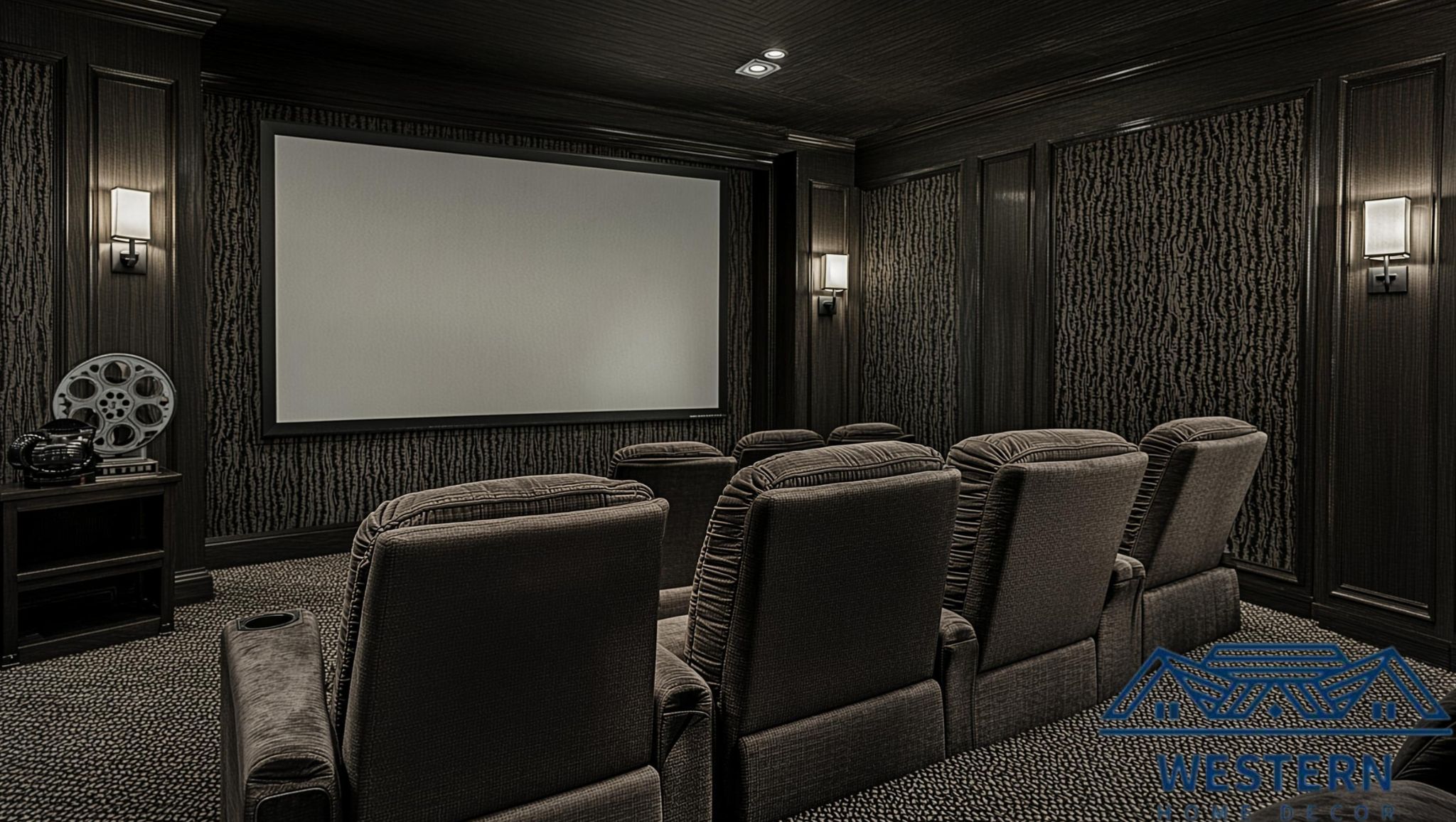
A modern cinema style usually uses clean lines, dark colors, hidden storage, soft lighting, and simple furniture. Think charcoal walls, matte black accents, floating consoles, LED strips behind panels, and seating with sleek silhouettes.
This style works especially well for people who want the screen to be the star. Keep decor minimal near the viewing area and add interest through texture instead: ribbed panels, woven fabric, brushed metal, leather, velvet, or low-sheen paint.
Classic Movie Theater Style
Classic theater style brings in drama. It can include deep red, navy, black, gold, framed posters, velvet curtains, wall sconces, and marquee-inspired details. The trick is to use the theme with restraint so the room feels nostalgic rather than theatrical in a cartoonish way.
Frame two or three favorite film posters in matching frames instead of covering every wall. Use velvet pillows instead of heavy stage curtains. Add brass or gold accents without making the room feel too formal. You may read this:
Mid Century Modern Home Decor Ideas for Stylish Spaces.
Cozy Family Media Room Style
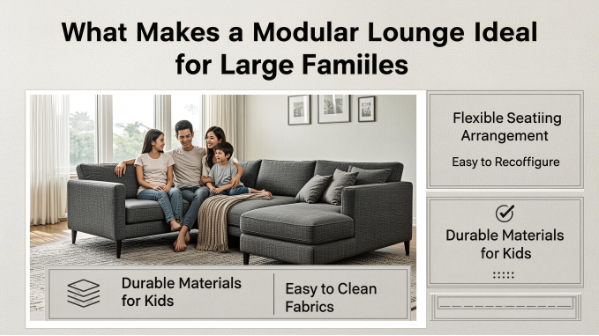
A family media room should feel relaxed, washable, and flexible. Soft sectionals, storage ottomans, baskets for blankets, durable rugs, and side tables make the space practical for kids, guests, snacks, and everyday streaming.
This style is less about perfect cinema darkness and more about comfort. Use warm neutrals, deep greens, soft browns, navy, or muted terracotta. Add lamps, curtains, and layered textures so the room feels welcoming even when the screen is off.
Color Palettes That Improve the Viewing Experience
Color has a bigger effect on the room than most people expect. Bright white walls may look clean during the day, but they reflect light during movies and can make the screen feel less rich. Darker or muted tones usually create a better viewing atmosphere because they help the screen stand out.
This does not mean every theater room must be black. Great colors include charcoal, deep navy, espresso brown, forest green, burgundy, warm taupe, slate, and dark olive. These shades create depth while still allowing the room to feel stylish.
Best Wall Colors for a Theater Room
For the screen wall, choose a darker matte finish when possible. Matte paint reflects less light than glossy paint, which helps reduce glare. If painting the entire room dark feels too intense, paint only the screen wall and use a softer tone on the side walls.
A ceiling can also affect the viewing experience. A bright ceiling reflects light, especially in rooms with projectors. Painting the ceiling a deeper shade, or using dark acoustic tiles or fabric panels, can make the room feel more immersive.
Accent Colors That Add Personality
Accent colors should support the mood instead of stealing attention. If your base is charcoal or black, warm accents like cognac, brass, rust, or walnut can keep the room from feeling cold. If your base is navy, try cream, gold, gray, or soft leather tones.
For a bolder look, use one accent color repeatedly in small doses: pillows, stitching, poster frames, LED lighting, or a throw blanket. Repetition makes the room feel intentional, while too many competing colors can make the space feel busy.
Lighting Ideas That Set the Mood
Lighting can make or break a theater room. The goal is not simply to make the room dark. The goal is to control light so the space feels comfortable before, during, and after viewing. A single bright ceiling light rarely creates the right atmosphere.
Layered lighting works better. Use dimmable ceiling lights, wall sconces, floor-level pathway lights, LED strips, and table lamps in different combinations. Each layer should have a purpose: entering the room, finding snacks, cleaning up, or creating a soft glow during intermission.
Ambient Lighting
Ambient lighting is the general light in the room. In a theater space, it should be dimmable and soft. Recessed lights with dimmers, shaded lamps, or indirect LED strips can create a gentle glow without washing out the screen.
Avoid placing bright lights directly above the screen or directly in the viewer’s eyes. If possible, use smart controls or dimmer switches so the room can shift from bright setup mode to movie mode with one quick adjustment.
Accent Lighting
Accent lighting adds style and depth. LED strips behind the screen, under floating shelves, along risers, or behind wall panels can give the room a polished look. Wall sconces are also a classic choice because they frame the room without taking up floor space.
Use accent lighting carefully. Strong colored lights can be fun for gaming, but for movies, softer warm lighting usually feels more relaxing. If you like color-changing LEDs, choose a system that can dim down and switch to warm white when needed.
Blackout Curtains and Window Control
Windows are one of the biggest challenges in theater rooms. Blackout curtains, cellular shades, roller shades, or layered drapery can help block daylight and reduce reflections on the screen. Even if you mostly watch movies at night, window treatments add softness and help the space feel finished.
Choose curtains that fit the room’s style. Heavy velvet feels classic and dramatic, while simple blackout panels look modern and clean. For a living-room theater, curtains can be one of the easiest ways to make the space feel more cinematic without permanent renovation.
Seating, Comfort, and Viewing Flow
Good seating should make people want to stay. Whether you choose recliners, a sectional, lounge chairs, or a sofa, prioritize comfort, durability, and sightlines. A beautiful chair that looks amazing but feels stiff will not survive many movie nights.
For home theater decor, seating also shapes the entire look of the room. Large recliners create a dedicated cinema mood. A sectional creates a cozy social mood. Individual lounge chairs can make the space feel boutique and flexible. Choose the seating style that matches how the room will actually be used.
Recliners vs. Sectionals
Recliners are great for a dedicated room because each person gets a defined seat, cup holder, and personal comfort zone. They are especially useful for long movies, sports, and gaming nights. The downside is that they can take up more space and may look bulky in smaller rooms.
Sectionals feel more casual and are often better for families. They allow people to stretch out, share blankets, and use the room for more than movies. If you choose a sectional, look for deep seats, stain-resistant fabric, and enough side tables or trays for drinks.
Add Small Comfort Details
Comfort details make the room feel personal. Add soft throws, supportive pillows, side tables, charging points, a small snack cabinet, and a place to store remotes. These details may seem minor, but they reduce interruptions once the movie starts.
A tray table or narrow console behind a sofa can be very useful in tight rooms. Storage ottomans are another smart option because they hide blankets, controllers, and board games while doubling as footrests.
Walls, Panels, Posters, and Texture
Walls are where many theater rooms either come alive or become cluttered. The key is balance. You want personality, but you also want the screen area to remain calm. Decor should enhance the room without creating visual noise.
Acoustic-friendly wall treatments can also serve as decor. Fabric panels, upholstered sections, wood slat walls with backing, heavy curtains, and bookshelves can help soften echo while adding depth and style.
Movie Posters Without Clutter
Movie posters are a classic choice, but they look best when treated like real art. Choose matching frames, keep spacing consistent, and limit the number of posters in the main viewing area. A side wall or hallway entrance is often a better place for a poster collection than the wall around the screen.
Another idea is to create a rotating poster zone. Use two or three frames and swap the prints based on seasons, movie marathons, or family favorites. This keeps the room fresh without overcrowding the walls.
Acoustic Panels That Look Decorative
Acoustic panels do not have to look technical or boring. Many modern panels come in fabric finishes, geometric shapes, wood styles, or custom printed designs. They can become part of the visual identity of the room.
Place panels where they look intentional: behind seating, along side walls, or as symmetrical features around the room. Even if you are not building a studio-grade cinema, soft surfaces can help reduce harsh echo and make dialogue feel clearer.
Flooring and Rugs for a Softer Room
Flooring affects both comfort and sound. Hard floors can look beautiful, but they may create more echo. Rugs, carpet, and soft underlayers help make the room feel warmer and more pleasant.
In a dedicated theater room, wall-to-wall carpet is a popular choice because it feels cozy and helps absorb sound. In a multipurpose room, a large area rug can provide similar softness while keeping the space flexible.
Choosing the Right Rug
Choose a rug that is large enough to anchor the seating area. At minimum, the front legs of the sofa or chairs should sit on the rug. A rug that is too small can make the room feel disconnected.
For pattern, think practical. A subtle pattern can hide crumbs and wear better than a flat solid color. Deep colors, low-pile textures, and durable fibers are usually best for movie rooms where snacks and foot traffic are common.
Storage That Keeps the Room Clean
A theater room should feel easy to use. If remotes, chargers, cables, discs, controllers, blankets, and snacks have no home, the room quickly loses its polished feeling. Good storage protects the design.
Closed cabinets are perfect for visual clutter. Open shelves are better for intentional display. Baskets are useful for blankets and pillows. Drawer organizers can keep remotes and small accessories from disappearing.
Hide Cables and Equipment
Visible cables can make even expensive rooms look unfinished. Use cable channels, in-wall cable kits where appropriate, cord covers, media cabinets, or raceways that match the wall color. Label cords behind the console so troubleshooting is easier later.
Ventilation matters too. Do not trap receivers, consoles, or streaming devices in a sealed cabinet without airflow. A beautiful setup still needs to function safely and reliably.
Small Room Ideas That Still Feel Cinematic
A small room can make an excellent theater because it naturally feels intimate. The challenge is avoiding overcrowding. Choose fewer, better pieces instead of trying to copy a large cinema room.
For small-space home theater decor, consider a wall-mounted TV, low media console, compact sectional, blackout curtains, and wall-mounted lighting. Avoid oversized recliners unless the room can handle them comfortably.
Use Vertical Space
Vertical space is valuable in a compact theater room. Wall shelves, tall curtains, vertical acoustic panels, and slim sconces can make the room feel taller. A dark ceiling can also create a cocoon effect if the room has enough lighting control.
Keep floor space open where possible. Floating consoles, nesting tables, and storage ottomans help the room feel flexible instead of cramped.
Budget-Friendly Decor Ideas for Movie Rooms
You can create a strong theater mood without remodeling the entire room. Start with the changes that affect the experience most: light control, seating comfort, screen-wall simplicity, and cable organization.
A budget-friendly plan might include blackout curtains, dark peel-and-stick wallpaper behind the screen, a large rug, matching poster frames, dimmable lamps, and storage baskets. These updates are affordable but can completely change how the room feels.
Upgrade in Phases
Phase one should make the room usable and comfortable. Focus on layout, seating, curtains, and storage. Phase two can add style with paint, lighting, wall art, and rugs. Phase three can include bigger upgrades like acoustic panels, built-ins, risers, or upgraded equipment.
This phased approach prevents overspending and helps you learn how the room is actually used. Sometimes the upgrade you thought mattered most becomes less important once the basics are right.
Common Mistakes to Avoid
The most common mistake is decorating before planning. If you buy posters, lights, and furniture before deciding on layout, the room may look fun but feel uncomfortable.
Another mistake is using too much bright decor near the screen. Reflective frames, glossy paint, neon signs, and shiny surfaces can create glare. Keep the screen area darker and calmer, then add personality to side walls or the back of the room.
Overcrowding the Theme
A movie room does not need every cinema symbol at once. Popcorn signs, clapperboards, ticket decals, neon lights, posters, red curtains, and film reels can become overwhelming when used together.
Choose a few signature details and let them breathe. A cleaner room often feels more expensive, more relaxing, and easier to enjoy.
Ignoring Sound and Softness
A room with only hard surfaces can sound echoey. Even beautiful decor may feel uncomfortable if dialogue is harsh or bass feels uneven. Add softness through rugs, curtains, upholstered seating, fabric panels, pillows, or bookshelves.
You do not have to solve every acoustic issue perfectly. Just remember that soft, layered rooms usually feel better than empty, reflective rooms.
FAQ About Home Theater Rooms
What is the best color for a home theater room?
Dark, matte colors usually work best because they reduce glare and help the screen stand out. Charcoal, navy, espresso, forest green, burgundy, and deep gray are popular choices. If you do not want a fully dark room, start with a dark screen wall and softer side walls.
How can I make my living room feel like a theater?
Use blackout curtains, dimmable lamps, a large rug, comfortable seating, hidden cables, and a clean screen wall. Keep decorations near the TV simple and place more personal decor on side walls or shelves.
Do I need acoustic panels?
You do not always need them, but they can help if the room has echo, hard floors, bare walls, or unclear dialogue. Decorative fabric panels, curtains, rugs, and upholstered furniture can also improve softness in the room.
Are recliners better than a sectional?
Recliners are better for a dedicated cinema feel, while sectionals are better for casual family use. The best choice depends on room size, comfort preferences, and how many people usually watch together.
How do I decorate around a projector screen?
Keep the projector screen wall simple and dark. Avoid glossy frames, bright art, or busy shelves close to the screen. Add style through side-wall sconces, acoustic panels, curtains, or subtle texture.
What should I put on theater room walls?
Good options include framed movie posters, acoustic panels, wood slats, fabric panels, sconces, shelves, or dark textured paint. Avoid overcrowding the walls, especially near the screen.
Can a small bedroom become a theater room?
Yes. Use a wall-mounted screen or TV, compact seating, blackout curtains, a large rug, wall lighting, and smart storage. Small rooms can feel very immersive when the layout is clean.
How much should I spend on decorating?
There is no fixed amount. Start with the improvements that affect comfort and viewing: curtains, seating, lighting, rug, and storage. You can add premium details later as your budget allows.
Conclusion
A memorable theater room is built through feeling, not just equipment. The screen matters, of course, but the room around it decides whether the experience feels ordinary or special. When the lighting is soft, the seating is comfortable, the walls support the mood, and everything has a place, movie night becomes something people look forward to.
The best home theater decor reflects how you actually live. It can be sleek and modern, dramatic and classic, cozy and family-friendly, or compact and practical. Start with the room’s layout, control the light, soften the sound, choose a clear style, and add details that make the space feel personal. With the right choices, even a simple room can feel like your favorite seat in the cinema.