Vintage Home Decor Ideas for Timeless Character at Home
Some rooms feel beautiful because everything is new. Others feel unforgettable because they have a little history in them. That is the charm of vintage home decor: it brings warmth, character, and a sense of story into everyday spaces without making your home feel stuck in the past.
This matters because most people do not want a room that looks copied from a showroom. They want a home that feels lived in, personal, comfortable, and full of small details that make guests pause and ask, “Where did you find that?”
The beauty of decorating with older pieces is that you can begin slowly. One mirror, lamp, side table, quilt, or ceramic bowl can shift the feeling of a room before you ever replace major furniture.
It is also a practical way to decorate with more intention. Instead of buying every trend the moment it appears, you learn to choose pieces with lasting appeal, real function, and the kind of patina that only time can create.
What Makes vintage home decor Feel Timeless?
A simple definition
Vintage pieces are older items that reflect the design, craft, materials, colors, or mood of another era. They may include furniture, mirrors, textiles, lighting, artwork, tableware, baskets, trunks, books, clocks, hardware, or architectural details.
What makes vintage home decor work is not age alone. An old object only earns its place when it adds beauty, usefulness, texture, memory, or contrast. A weathered bench can make an entryway feel welcoming. A brass lamp can soften a bedroom. A worn rug can make a new sofa feel grounded.
Why older pieces add emotional depth
New pieces can be stylish, but older pieces often carry quiet evidence of use. You might notice softened wood edges, cloudy mirror glass, hand-carved details, mellow brass, faded fabric, or a ceramic glaze that is slightly uneven.
Those details make a space feel layered. They suggest that the home has grown over time, even if you moved in last month. That is why one antique cabinet or thrifted painting can change the entire mood of a room.
Start With a Story, Not a Theme
A theme can make a room feel forced. A story makes it feel natural. Instead of deciding every piece must be farmhouse, mid-century, cottage, French, or Victorian, think about the feeling you want the room to have.
Maybe you love the softness of old cottages, the clean lines of mid-century furniture, the elegance of European flea markets, or the practicality of early farmhouse pieces. Let that inspiration guide you, but do not let it trap you.
Choose three mood words
Pick three words before shopping. They might be warm, collected, and relaxed. Or classic, romantic, and soft. Or rustic, practical, and simple.
Those words become your filter. When you see a mirror, side table, frame, or lamp, ask whether it supports the feeling you want. If it does not, leave it behind, even if it is charming on its own.
Shop with intention
Vintage shopping is exciting because every piece feels limited. That can also lead to impulse buys. Before bringing something home, ask:
- Do I know where this will go?
- Does it solve a real need?
- Does it work with pieces I already own?
- Is it sturdy enough for daily life?
- Does it add texture, warmth, color, or story?
- Would I still love it if it were not rare or inexpensive?
These questions help your home feel collected rather than crowded.
Room-by-Room vintage home decor Ideas
Living room
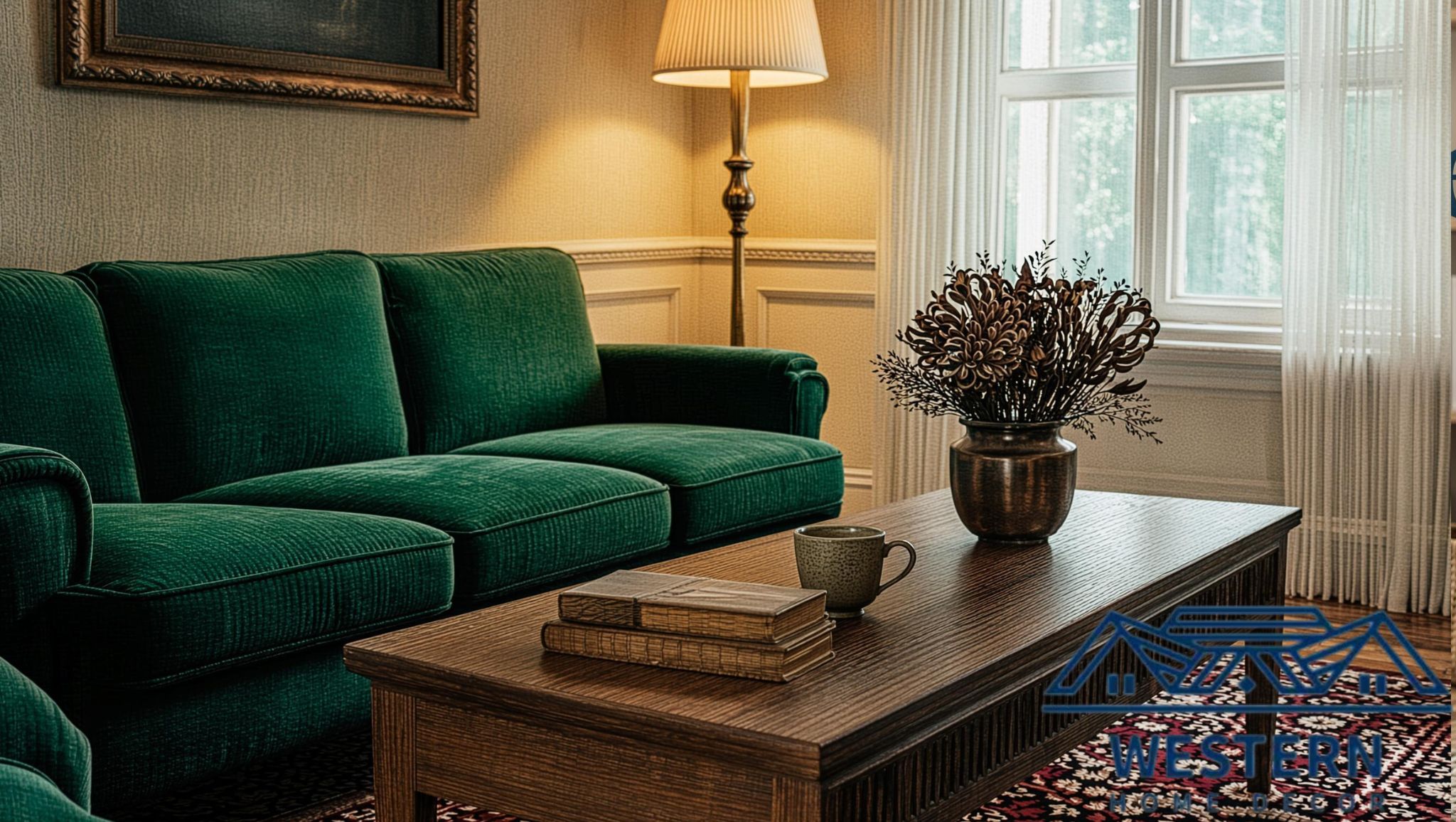
The living room is usually the easiest place to begin. It has enough space for one strong anchor piece, such as a carved cabinet, leather chair, old trunk, wood coffee table, painted sideboard, or antique mirror.
Once you have that anchor, let it breathe. Pair it with comfortable modern seating, simple curtains, and clean-lined tables. The contrast keeps the room fresh instead of heavy.
Good living room pieces include vintage lamps, framed landscapes, brass candlesticks, wool rugs, old books, side tables, storage trunks, woven baskets, and pottery. Choose pieces that add function as well as charm.
Bedroom
Bedrooms respond beautifully to aged materials because they naturally create calm. A painted dresser, iron bed, scalloped mirror, patchwork quilt, or mismatched nightstands can make the room feel soft and personal.
Keep the palette gentle if the furniture has strong character. Warm white, faded blue, sage, cream, mushroom, dusty rose, pale gray, and natural linen all work well with aged wood, brass, iron, and painted finishes.
Kitchen
Kitchens often have hard surfaces, so older pieces can soften the room. Think stoneware crocks, enamel canisters, copper pans, old cutting boards, framed recipe cards, linen café curtains, and open shelves with collected dishes.
The best kitchen pieces are useful. A wooden stool, ceramic bowl, or glass jar can look beautiful while still earning its place in everyday routines.
Dining room
A dining room can handle a little drama. A traditional sideboard, old farmhouse table, mismatched chairs, glass-front cabinet, vintage rug, or framed oil painting can bring instant character.
The key is to keep the room welcoming. It should feel ready for real dinners, not like a set no one is allowed to touch.
Bathroom
Bathrooms are perfect for small-scale vintage details. Try a beveled mirror, aged brass hooks, ceramic soap dish, narrow wood shelf, framed sketch, or small patterned rug.
Because bathrooms deal with humidity, choose carefully. Avoid fragile paper near showers, check wood for swelling, and make sure mirrors and shelves are secure.
Entryway
An entryway sets the tone for the home. A vintage bench, umbrella stand, wall hooks, mirror, console table, or framed map can make even a narrow hallway feel intentional.
This is also a good place for imperfect pieces. A scuffed bench or weathered basket looks natural in a hardworking area where shoes, coats, keys, and bags come and go.
How to Mix Old and New Without Making a Room Feel Dated
The most livable rooms use contrast. Smooth and rough, old and new, light and dark, simple and detailed—these pairings make a space feel balanced.
A vintage settee may look beautiful, but if it is not comfortable, use it in a bedroom or hallway instead of relying on it for family movie night. Let modern pieces provide comfort while older pieces bring character.
Keep one visual thread
Rooms feel cohesive when something repeats. That thread might be a color, metal finish, wood tone, texture, shape, or mood.
For example, a brass lamp can connect to brass cabinet pulls and a brass picture frame. A dark wood chest can feel intentional if there is a dark mirror frame across the room.
Use modern pieces quietly
Not every piece needs a story. In fact, some items should be quiet. A simple sofa, plain bedding, clean dining table, or understated curtains can make older pieces stand out.
This is especially helpful in small homes. Calm foundation pieces allow expressive vintage accents to shine.
Avoid perfect matching
Perfectly matched furniture can make a room feel less personal. Mismatched nightstands, varied picture frames, or dining chairs in related tones can create a collected feeling.
The trick is controlled variety. Repeat height, color, material, or shape so the mix feels intentional rather than random.
Color Palettes That Work With Older Pieces
Vintage rooms do not need one specific palette. They can be pale and romantic, dark and moody, bright and playful, or earthy and restrained.
For a soft collected look, try warm white, oatmeal, faded blue, sage, muted rose, aged brass, and walnut. For a richer mood, consider olive, burgundy, tobacco brown, charcoal, black, cream, and dark wood.
Use faded color as a bridge
Older items often have softened colors. A faded rug, worn book spine, old painting, or washed textile can connect modern colors with antique finishes.
If you feel unsure, start with a rug or artwork that already contains several colors you love. Repeat those tones in pillows, lampshades, flowers, or ceramics.
Let wood tones vary
Wood tones do not need to match perfectly. In fact, varied woods usually make a room feel warmer.
To keep the mix controlled, repeat each tone at least once. A honey wood chair might connect to a woven basket. A dark cabinet might connect to a black frame or walnut table.
Texture Is the Secret Ingredient
Texture is what makes a room feel touchable. It is also one of the easiest ways to make vintage home decor blend naturally with modern life.
Look for cane, rattan, wool, linen, velvet, old leather, carved wood, stoneware, iron, brass, marble, embroidery, lace, needlepoint, painted metal, and handmade ceramics.
Layer textiles with restraint
A vintage rug can ground a living room. A quilt can soften a bed. A linen tablecloth can make dinner feel special. A needlepoint pillow can add charm to a simple chair.
But too many patterns can overwhelm the room. If your rug is busy, keep pillows calmer. If bedding is patterned, choose simple curtains.
Understand patina
Patina is the beauty that comes with age: mellow color, rubbed edges, soft wear, and natural variation. Damage is different.
Broken joints, mold, active rust, unstable legs, strong odors, water damage, and flaking finishes may require repair or may not be worth the trouble. A little wear feels relaxed. Too much damage feels neglected.
Where to Find Worthwhile Vintage Pieces
Great finds can come from estate sales, flea markets, antique malls, thrift stores, architectural salvage shops, charity shops, online marketplaces, auctions, and family storage spaces.
Patience matters. Vintage home decor rewards slow looking. You may visit several places before finding the right piece, and that is part of the fun.
What to inspect before buying
Before buying furniture, check:
- Drawer movement
- Wobbly legs
- Loose joints
- Cracks or warping
- Water marks
- Unusual odors
- Missing hardware
- Signs of pests
- Repair costs
- Delivery options
A bargain is only a bargain if it works safely and beautifully in your home.
Small pieces worth collecting
If large furniture feels intimidating, start smaller. Look for brass candlesticks, ceramic bowls, picture frames, baskets, trays, lamps, books, linens, mirrors, hooks, stools, clocks, and vases.
Small pieces are easier to move and rearrange. They also help you learn your taste before investing in larger furniture.
Architectural Salvage and Reclaimed Character
Architectural salvage includes pieces rescued from old buildings, such as doors, mantels, corbels, shutters, windows, tiles, sinks, railings, columns, hardware, and decorative trim.
These pieces can add depth because they were often made with craftsmanship and materials that are harder to find today. A reclaimed mantel can make a plain wall feel established. Old doors can bring instant soul to a pantry, laundry room, or closet.
Use salvage as a focal point
Salvage pieces are visually strong, so one may be enough. A pair of shutters can frame a window. A corbel can support a shelf. Old hardware can make a new cabinet feel special.
Give these items room. If every wall has signs, shutters, windows, and brackets, the room may start to feel cluttered.
Safety matters
Older painted pieces may contain lead paint, and heavy items must be installed properly. If you are hanging a mantel, mirror, shelf, or old door, use the right hardware or ask a professional.
The goal is charm that functions safely in daily life.
Decorating on a Budget
A collected home does not need to be expensive. Many beautiful rooms are built slowly with thrifted finds, inherited pieces, small repairs, and creative styling.
Focus on high-impact categories first: lighting, mirrors, rugs, art, and storage. A vintage lamp can make a corner glow. A mirror can brighten a hallway. An old cabinet can hide clutter while adding character.
Refresh before replacing
Sometimes a piece only needs a little care. Try cleaning brass, oiling dry wood, replacing knobs, adding a tailored lampshade, washing linens, or repairing a loose drawer.
Be cautious with valuable antiques, but do not be afraid to improve everyday pieces so they work for your life.
Use family pieces thoughtfully
Inherited items can be meaningful, but they should not make your home feel heavy. Choose the pieces that genuinely connect with you.
A grandmother’s side table might become a nightstand. Old letters could stay in a beautiful box. A single framed photo may feel more powerful than an entire wall of items you do not love.
Common Mistakes to Avoid
The biggest mistake is buying too much too quickly. When every surface has an object and every wall has a frame, the eye has nowhere to rest.
Another mistake is ignoring comfort. A room can look charming in a photo but fail in real life if the lighting is poor, the chairs are stiff, or the storage does not work.
Do not chase eras too strictly
You can love a specific period without recreating it completely. Strict historical accuracy can make a home feel staged.
A 1970s chair can sit near a 1930s table if the colors, shapes, or materials relate. The most interesting homes usually borrow from more than one decade.
Do not overlook scale
Older furniture can be smaller, lower, heavier, or deeper than modern pieces. Always measure height, width, depth, doorways, walkways, and ceiling clearance.
A beautiful armoire will not feel beautiful if it blocks a path. A tiny side table may look lost beside a deep modern sofa.
How to Make Vintage Style Feel Fresh
One reason people hesitate with vintage home decor is the fear that it will look dusty or dated. The solution is freshness.
Clean surfaces, edited styling, healthy plants, modern comfort, good lighting, and open space all help older pieces feel current.
Clean before styling
Dust frames, polish glass, vacuum upholstery, wipe drawers, air out cabinets, and wash textiles according to care needs.
A thrifted piece that looked tired in the shop may look elegant once it is cleaned, repaired, and placed with care.
Add signs of real life
Fresh flowers, books you actually read, family photos, fruit bowls, handmade mugs, and everyday linens keep vintage rooms from feeling frozen in time.
The goal is not a perfect period room. The goal is a layered home that feels useful, personal, and alive.
FAQ
What is vintage home decor?
Vintage home decor is decorating with older furniture, accessories, textiles, lighting, artwork, and architectural details that add character, warmth, and a sense of history to a space.
What is the difference between vintage and antique decor?
Antique usually refers to items at least 100 years old. Vintage pieces are older than contemporary items but not always antique. Both can add texture, personality, and charm.
How do I start decorating with vintage pieces?
Start with one easy category, such as mirrors, lamps, side tables, art, baskets, or ceramics. Choose one piece you genuinely love, place it in a useful spot, and build slowly.
Can vintage pieces work in a modern home?
Yes. Contrast often makes both styles look better. A vintage rug can soften a modern sofa, while a clean-lined table can make an ornate mirror feel fresh.
How do I keep vintage style from looking cluttered?
Edit regularly, leave empty space, use closed storage, and display only your strongest pieces. A few meaningful objects usually look better than many random ones.
What are the best vintage items to buy first?
Lamps, mirrors, small tables, rugs, artwork, baskets, picture frames, and storage cabinets are great first purchases because they are useful and versatile.
Should I refinish old furniture?
It depends on the piece. Everyday furniture can often be cleaned or lightly refreshed. Valuable antiques should be handled carefully, and professional advice may be wise before refinishing.
Where can I find affordable vintage decor?
Try thrift stores, flea markets, estate sales, charity shops, online marketplaces, local auctions, architectural salvage shops, and family storage spaces.
Conclusion
A beautiful home does not need to be perfect, expensive, or completely new. It needs pieces that feel considered. It needs comfort, usefulness, texture, and a little evidence of life.
That is the lasting appeal of vintage home decor. It helps your rooms feel warmer, richer, and more personal without demanding that everything match. It allows you to mix eras, reuse meaningful objects, and create a home that feels collected over time.
Start small. Bring home one piece that makes you pause. Place it where you will enjoy it every day. Over time, those thoughtful choices become more than decoration. They become the quiet story your home tells.