Industrial Home Decor Ideas for Raw, Stylish Modern Homes
Some rooms feel beautiful because they are polished. Others feel unforgettable because they have edge, history, and character. That is exactly why industrial home decor has become such a loved style for people who want a home that feels bold, practical, and full of personality.
This style matters because modern homes can easily feel too perfect, too plain, or too much like a showroom. Industrial interiors bring back texture, honesty, and a sense of real life. They celebrate exposed materials, strong shapes, weathered finishes, warm lighting, and useful objects that look good because they feel authentic.
The best part is that you do not need to live in a converted warehouse or downtown loft to make this look work. A small apartment, suburban home, studio, basement, office, or even a bedroom can carry the style when the right materials and colors are used thoughtfully.
The secret is balance. Too much metal can feel cold. Too much dark color can feel heavy. Too many vintage pieces can feel cluttered. But when raw textures, comfortable furniture, warm lights, and clean styling come together, the result feels strong and inviting at the same time.
What Makes Industrial Style So Appealing?
Industrial interiors are inspired by old factories, warehouses, workshops, and loft spaces. Instead of hiding structural materials, this look often highlights them. Brick, concrete, pipes, beams, ducts, steel, iron, worn wood, and leather all become part of the design.
That honest quality is what makes the style interesting. A brick wall does not need to be perfect. A reclaimed table can show marks from age. A metal cabinet can have small scratches. These details create a room that feels lived-in rather than overly decorated.
Definition: What Is industrial home decor?
industrial home decor is an interior style that uses raw materials, functional furniture, exposed architectural features, neutral colors, metal accents, reclaimed wood, vintage lighting, and practical decor to create a bold urban look. It is often inspired by factories and loft apartments, but it can be adapted to almost any home.
The style can lean modern, rustic, minimalist, vintage, masculine, warm, or elegant depending on how it is arranged. A room does not need every industrial feature at once. Even a few strong pieces can create the feeling.
Start With a Strong Foundation
The foundation of an industrial room should feel grounded. Floors, walls, ceilings, and large furniture pieces do most of the visual work. Once those elements are right, smaller decor becomes easier to choose.
Neutral colors are usually the starting point. Charcoal, black, gray, white, brown, taupe, rust, cream, and concrete tones all work well. These shades create a calm base and allow texture to stand out.
Use Raw Materials With Intention
Raw materials are the heart of this style. Brick adds warmth and age. Concrete feels modern and strong. Metal brings structure. Wood softens the harder edges. Leather adds comfort and richness.
You do not need real exposed brick or concrete to get the look. Brick veneer, concrete-look paint, limewash, textured wallpaper, metal shelving, and reclaimed wood furniture can create a similar mood without major construction.
Keep the Base Simple
A simple base helps the room avoid looking chaotic. If you already have exposed brick, let it be the star. If your floors are concrete or dark wood, balance them with softer textiles and warm lighting.
The strongest rooms usually have one or two dominant materials, then supporting accents. For example, you might use brick and leather as the main features, then add black metal and wood through smaller pieces.
Color Palettes That Work Best
Color in industrial interiors is usually restrained, but that does not mean boring. The style relies on depth, contrast, and texture more than bright color. A well-planned neutral palette can feel rich and dramatic.
Classic combinations include black and warm wood, gray and cognac leather, white and exposed brick, charcoal and brass, or concrete and olive green. These palettes feel timeless because they are grounded in natural and architectural materials.
Dark and Moody Palette
A dark palette creates drama. Charcoal walls, black metal furniture, deep brown leather, dark wood, and low warm lighting can make a room feel intimate and stylish.
The challenge is keeping it comfortable. Add texture through rugs, pillows, curtains, plants, and soft upholstery. Without these layers, a dark room can feel flat or cold.
Light Industrial Palette
A lighter version works well for smaller homes and apartments. Use warm white walls, pale concrete tones, natural wood, black accents, and tan leather. This keeps the industrial mood without making the space feel heavy.
This approach is especially useful if you want the style but still prefer an airy home. A white wall with black metal shelves and a reclaimed wood table can feel industrial without being too dark. You may aslo read this: Amazon Home Decor Guide: Stylish Finds for Every Room Now.
Add Accent Colors Carefully
Accent colors should feel earthy or slightly muted. Rust, olive, navy, deep green, mustard, burgundy, and burnt orange all work beautifully. These colors add warmth without fighting the raw materials.
Use accent colors in small amounts through pillows, rugs, artwork, books, lamps, or planters. A little color can make industrial home decor feel more personal and less predictable.
Furniture Choices for Industrial Spaces
Furniture should feel sturdy, useful, and honest. Avoid pieces that are overly delicate or decorative. The best choices often combine wood, metal, leather, canvas, or simple upholstery.
Look for clean shapes, visible construction, strong frames, and practical storage. A coffee table with metal legs, a leather sofa, a wood dining table, or a steel bookcase can instantly set the tone.
Sofas and Chairs
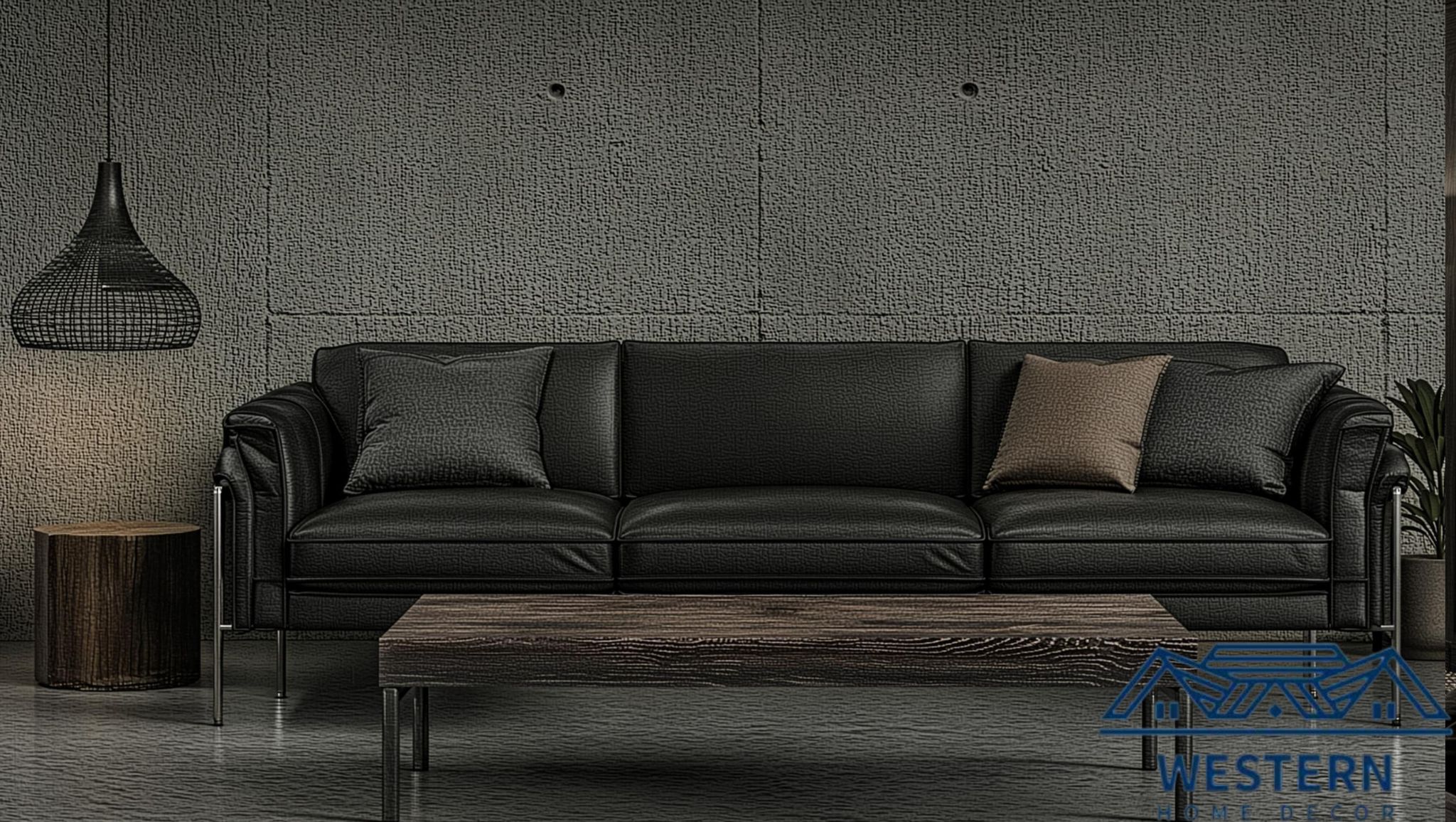
Leather is a classic choice, especially in cognac, chocolate, black, or worn brown. It ages well and adds warmth to metal and concrete. If leather is not your preference, choose textured fabric in gray, beige, charcoal, or olive.
The shape matters too. A low-profile sofa with clean lines feels modern. A tufted leather sofa feels vintage. A slipcovered sofa can work if paired with stronger industrial accents.
Tables and Storage Pieces
Reclaimed wood tables are perfect because they bring history and texture. Pair them with black metal legs or iron details for a stronger look. Dining tables, coffee tables, desks, and console tables all work well in this style.
Storage can be both practical and decorative. Metal lockers, open shelving, rolling carts, glass-front cabinets, and wood sideboards help organize the home while supporting the design.
Lighting That Defines the Mood
Lighting is one of the easiest ways to create an industrial feeling. Exposed bulbs, metal shades, cage pendants, track lights, wall sconces, and floor lamps with adjustable arms all fit the style.
However, the room should not feel harsh. The goal is warm, layered lighting. Industrial fixtures can look strong while still giving off a soft glow.
Pendant Lights and Chandeliers
Pendant lighting works beautifully over dining tables, kitchen islands, desks, and reading corners. Black metal, aged brass, bronze, copper, and matte finishes are all good choices.
For a bold look, use a row of matching pendants. For a more collected look, mix vintage-inspired fixtures with different shapes but similar finishes.
Wall Sconces and Floor Lamps
Wall sconces are practical and stylish. They work well beside beds, above shelves, near reading chairs, or along hallways. Adjustable arm sconces add a workshop-inspired feel.
Floor lamps can soften a room that has too much overhead lighting. Choose lamps with metal frames, simple shades, or vintage task-light shapes.
Choose Warm Bulbs
Bulb temperature makes a huge difference. Cool white bulbs can make metal and concrete feel sterile. Warm bulbs make the same materials feel cozy and inviting.
Use dimmers when possible. Being able to lower the light at night helps the room feel relaxed rather than overly bright.
Walls, Brick, Concrete, and Texture
Walls are a major part of this style. Exposed brick is iconic, but it is not the only option. Concrete finishes, plaster, matte paint, wood panels, metal grids, open shelving, and large artwork can all create an industrial mood.
If your room has plain drywall, do not worry. You can still build the look with paint, texture, shelving, lighting, and furniture.
Exposed Brick Walls
A brick wall adds instant character. Red brick feels warm and classic. Whitewashed brick feels softer and brighter. Dark painted brick feels dramatic and modern.
If real brick is not available, brick veneer panels can be a good alternative. Choose a finish that looks natural rather than overly perfect.
Concrete and Plaster Finishes
Concrete brings a modern urban feel. It can appear on floors, walls, countertops, planters, lamps, or tabletops. Too much concrete may feel cold, so balance it with wood, fabric, leather, and warm lighting.
Plaster and limewash finishes are softer alternatives. They give walls movement and depth without looking too rough.
Large Art and Wall Decor
Industrial walls often look best with fewer, larger pieces. Oversized black-and-white photography, abstract art, architectural prints, metal wall art, vintage signs, or framed blueprints can work well.
Avoid filling every wall. Empty space is part of the style. It allows materials and furniture to breathe.
Industrial Home Decor for the Living Room
The living room is one of the best places to use industrial home decor because it can combine comfort with strong design. Start with a sofa, coffee table, rug, lighting, and one clear focal point.
A leather sofa, metal-framed shelves, reclaimed wood table, textured rug, and black floor lamp can create the look without feeling overdone. Add plants and soft textiles to keep the room welcoming.
Build Around a Focal Point
A focal point gives the room structure. It could be a brick wall, fireplace, media unit, large artwork, or statement shelving. Once the focal point is clear, choose furniture that supports it.
For example, if the focal point is a brick wall, keep the TV console simple. If the focal point is a large metal bookcase, keep the surrounding wall decor minimal.
Add Softness to Balance the Edge
Industrial spaces need softness. Use rugs, pillows, throws, curtains, upholstered chairs, and plants. These details keep the room from feeling like a workshop.
A large area rug is especially important if the room has concrete, tile, or wood floors. It anchors the seating area and makes the space feel more comfortable.
Kitchen and Dining Room Ideas
Industrial kitchens feel practical, durable, and stylish. They often use open shelves, metal stools, wood counters, matte cabinets, subway tile, concrete surfaces, and simple pendant lights.
The style works well because kitchens are naturally functional spaces. Open storage, durable materials, and strong lighting make sense there.
Open Shelving
Open shelves are a classic industrial feature. Wood shelves with black metal brackets can hold dishes, glassware, cookbooks, plants, and everyday items.
The key is organization. Open shelving looks best when items are grouped by color, shape, or material. Too many random objects can make the kitchen feel messy.
Dining Tables With Character
A solid dining table can anchor the entire room. Reclaimed wood, thick planks, metal bases, and simple silhouettes all work well. Pair the table with metal chairs, leather chairs, or a bench for a relaxed look.
Add warmth through a pendant light, simple centerpiece, woven runner, or ceramic dishes. The dining area should feel strong but still inviting.
Bedroom Ideas With Industrial Warmth
A bedroom in this style should feel restful, not harsh. Use the industrial elements as structure, then layer softness through bedding, rugs, curtains, and lighting.
A metal bed frame, wood nightstands, warm lamps, neutral bedding, and textured throw can create a simple but stylish room. Add one strong wall feature if the space needs more personality.
Bed Frames and Headboards
Metal bed frames fit naturally, especially in black, bronze, or aged iron. Wood headboards also work well, especially reclaimed or rustic finishes.
If the room is small, keep the frame simple. A heavy bed with bulky furniture can make the room feel crowded.
Bedding and Textiles
Choose bedding that softens the hard materials. Linen, cotton, waffle textures, wool blankets, and neutral quilts all work beautifully.
Colors like cream, gray, taupe, olive, rust, and charcoal feel natural in this setting. Add one or two accent pillows instead of covering the bed with too many decorative pieces.
Bathroom Ideas With an Urban Edge
Bathrooms are great places to experiment with industrial style. Metal mirrors, matte black fixtures, concrete sinks, subway tile, exposed pipe details, and wood vanities can create a clean urban look.
Because bathrooms are usually smaller, a few details can go a long way. You do not need to redesign the entire space.
Fixtures and Hardware
Matte black, brushed nickel, aged brass, and oil-rubbed bronze finishes all work well. Choose one main finish and repeat it through faucets, towel bars, lights, and mirror frames.
Consistency makes the room feel intentional. Mixing too many metals in a small bathroom can look busy.
Mirrors and Vanities
A round metal mirror can soften sharp lines. A rectangular black-framed mirror feels modern. A wood vanity with a stone or concrete top brings warmth.
If you are decorating on a budget, changing the mirror, light fixture, and cabinet hardware can make a big difference.
Small Space Industrial Style
Small homes can use industrial home decor successfully when the design is edited. The biggest mistake is choosing oversized furniture or too many dark finishes.
Focus on a few strong elements: black metal shelving, a wood table, warm lighting, a textured rug, and simple art. Keep the layout open and avoid clutter.
Use Vertical Storage
Vertical storage helps small spaces feel organized. Tall shelves, wall hooks, mounted cabinets, and ladder-style bookcases use height instead of floor area.
Open shelving can work well, but it must be styled carefully. Use baskets, boxes, and repeated materials to keep the space clean.
Keep Furniture Slim
Choose furniture with visible legs and open frames. A metal-framed coffee table or slim console looks lighter than a bulky solid piece.
Glass, metal, and open wood frames can make the room feel less crowded while still supporting the style.
Budget-Friendly Industrial Decorating
You do not need expensive custom furniture to create the look. Many industrial-style updates are affordable, especially if you enjoy secondhand shopping or simple DIY projects.
Start with lighting, shelves, paint, hardware, rugs, and small furniture. These changes can transform the room without a full renovation.
Easy Low-Cost Updates
Try these ideas:
- Add black metal curtain rods.
- Replace cabinet handles with matte black pulls.
- Use wood shelves with metal brackets.
- Add a vintage-style desk lamp.
- Paint one wall charcoal or warm gray.
- Use storage baskets in natural fibers.
- Add a leather or faux leather accent pillow.
- Frame black-and-white architectural prints.
- Use a reclaimed wood tray on a coffee table.
- Add plants in concrete or metal planters.
Small details work best when repeated. One black accent may feel random, but several black accents around the room feel intentional.
Shop Vintage and Secondhand
Secondhand pieces are perfect for this style because age adds character. Look for metal stools, wood cabinets, old worktables, factory lamps, vintage trunks, and leather chairs.
Check measurements before buying. Industrial pieces can be heavy or large, so make sure they fit your space before bringing them home.
How to Keep the Style Cozy
The biggest concern people have about industrial interiors is that they may feel cold. That can happen when the room has too much metal, concrete, black, and bare surfaces. The solution is layering.
Warm lighting, soft textiles, wood tones, plants, books, rugs, and personal objects all help the space feel human. The goal is not to remove the edge. It is to balance it.
Add Plants and Natural Elements
Plants bring life to industrial spaces. They soften hard lines and add color without making the room feel overly decorated.
Snake plants, rubber plants, pothos, olive trees, cacti, and monstera all work well. Use simple clay, concrete, metal, or woven planters.
Use Personal Decor
A room feels better when it includes your life. Books, travel objects, framed photos, handmade pottery, records, artwork, and meaningful collections can all fit into industrial interiors.
Keep displays edited. A few personal pieces on open shelves look thoughtful. Too many small items can make the room feel cluttered.
Common Mistakes to Avoid
Industrial style looks easy, but it can go wrong if the room becomes too dark, too themed, or too cold. The best version feels natural, not like a staged restaurant or movie set.
Avoid buying every pipe shelf, Edison bulb, metal sign, and factory-style object you see. Too many obvious theme pieces can make the room feel forced.
Using Too Much Metal
Metal is important, but it should not dominate everything. If the room already has metal shelving, metal lights, and metal chairs, bring in wood, fabric, leather, plants, or a rug.
Contrast makes the metal stand out more. A black steel table looks better when paired with warm wood or soft seating.
Forgetting Comfort
Style should never replace comfort. A room may look impressive, but if the chair is stiff, the lighting is harsh, and there is nowhere to put a drink, people will not enjoy using it.
Choose pieces that support daily life. The best industrial home decor feels useful, comfortable, and visually strong.
FAQ
Is industrial style still popular?
Yes, industrial style remains popular because it is practical, flexible, and timeless when done well. The look has evolved from dark warehouse spaces into warmer, more livable interiors with wood, plants, textiles, and softer lighting.
What colors are best for industrial interiors?
Charcoal, black, gray, white, brown, taupe, rust, cream, olive, and concrete tones work well. Warm neutrals and earthy colors help balance metal, brick, and concrete.
Can industrial style work in a small apartment?
Yes. Use slim furniture, vertical shelving, warm lighting, and a limited color palette. Avoid oversized pieces and too many dark finishes in one space.
How do I make industrial decor feel cozy?
Add rugs, curtains, pillows, plants, warm bulbs, wood tones, leather, books, and personal objects. These layers soften the raw materials and make the room feel inviting.
What materials are common in this style?
Common materials include metal, steel, iron, reclaimed wood, brick, concrete, leather, glass, canvas, stone, and matte finishes. These materials create the raw, practical feeling associated with the style.
Is industrial home decor expensive?
It does not have to be. You can start with affordable changes like black hardware, metal shelving brackets, vintage lamps, secondhand furniture, textured rugs, and warm lighting.
Can I mix industrial style with modern decor?
Yes. Modern furniture pairs very well with industrial details. Clean lines, simple colors, and minimal accessories can make raw materials look more refined.
What is the difference between rustic and industrial style?
Rustic style focuses more on natural, country-inspired warmth, while industrial style uses urban materials like metal, concrete, brick, and exposed structures. Rustic industrial combines both by mixing wood warmth with metal strength.
Conclusion
A home with industrial character does not need to feel cold, dark, or unfinished. When the balance is right, it can feel warm, confident, and deeply personal. The beauty comes from honest materials, practical furniture, textured surfaces, and lighting that makes everything feel inviting.
Start with one strong feature, such as a brick wall, metal shelving unit, leather sofa, reclaimed wood table, or bold light fixture. Then add softness through rugs, plants, fabric, and personal details. Over time, industrial home decor can turn an ordinary room into a space that feels grounded, stylish, and full of real character.