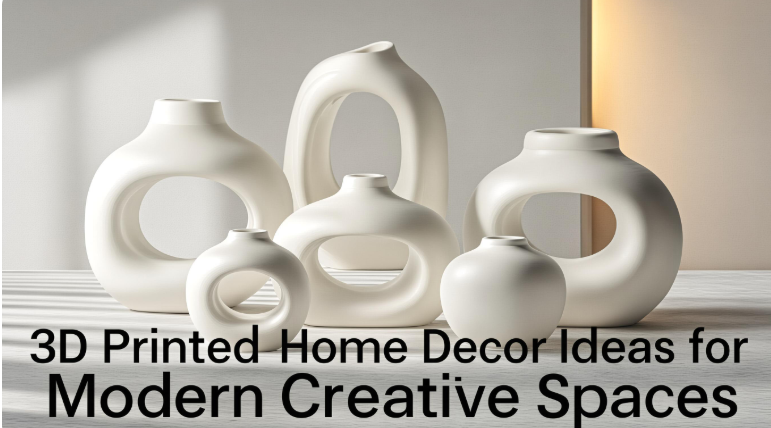
3D Printed Home Decor Ideas for Modern Creative Spaces
What if you could design home accessories that perfectly matched your style, space, and personality? That possibility is one of the biggest reasons why 3d printed home decor has become increasingly popular among homeowners, designers, and creative enthusiasts.
Advancements in 3D printing technology have transformed the way decorative items are created. Instead of relying solely on mass-produced products, people can now customize everything from vases and wall art to lamps, planters, and furniture accents.
Whether you’re a technology enthusiast, a DIY creator, or someone looking for unique interior design ideas, 3d printed home decor offers a fascinating blend of innovation, personalization, and modern style that can elevate virtually any room.
Understanding 3D Printed Home Decor
The rise of home 3D printing has opened new possibilities in interior design.
What Is 3D Printed Home Decor?
3D printed decorating involves creating decorative household items using additive manufacturing technology.
Popular examples include:
- Decorative vases
- Wall art
- Sculptures
- Planters
- Lighting accessories
- Storage solutions
These items are produced layer by layer using specialized printers and materials.
Why Homeowners Are Embracing It
Several factors contribute to the popularity of 3d printed home decor.
Benefits include:
- Customization
- Affordability
- Sustainability options
- Creative freedom
- Unique designs
Unlike traditional décor, 3D printed pieces can often be personalized to meet specific preferences.

Benefits of Decorating With 3D Printed Designs
3D printing offers advantages that traditional manufacturing cannot easily match.
Unlimited Creativity
Design possibilities are virtually endless.
Creators can produce:
- Geometric structures
- Organic forms
- Personalized artwork
- Complex patterns
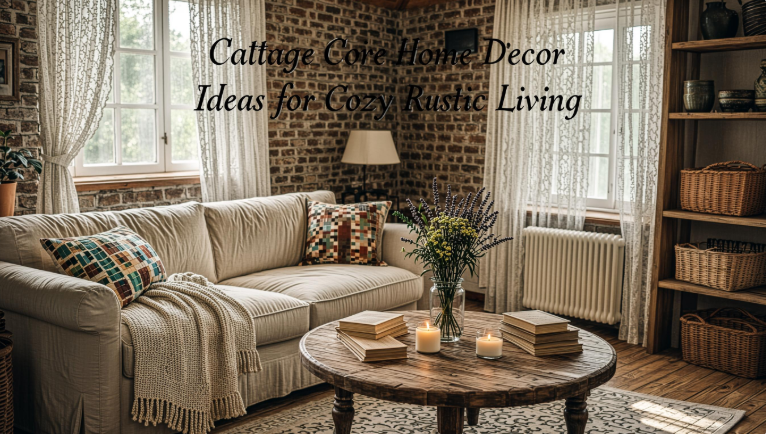
These designs often cannot be manufactured using conventional methods. You may read this: Cottage Core Home Decor Ideas for Cozy Rustic Living.
Custom-Made Decor
One of the strongest appeals is personalization.
Homeowners can create:
- Monogrammed decorations
- Custom wall art
- Personalized planters
- Unique sculptures
This level of customization makes every piece feel special.
Cost-Effective Design
Many decorative objects can be produced at a fraction of the cost of artisan-made alternatives.
This makes 3d printed home decor accessible to a wider audience.
Popular Types of 3D Printed Home Decor
The variety of available products continues to grow.
Decorative Vases
Vases remain among the most popular 3D printed items.
Benefits include:
- Unique shapes
- Custom sizing
- Artistic designs
- Modern aesthetics
Many designers use intricate patterns impossible to create through traditional manufacturing.
Planters
Planters combine functionality with style.
Popular options include:
- Geometric planters
- Hanging planters
- Self-watering designs
- Sculptural containers
These additions work well in modern interiors.

Wall Art
Wall décor provides endless creative opportunities.
Examples include:
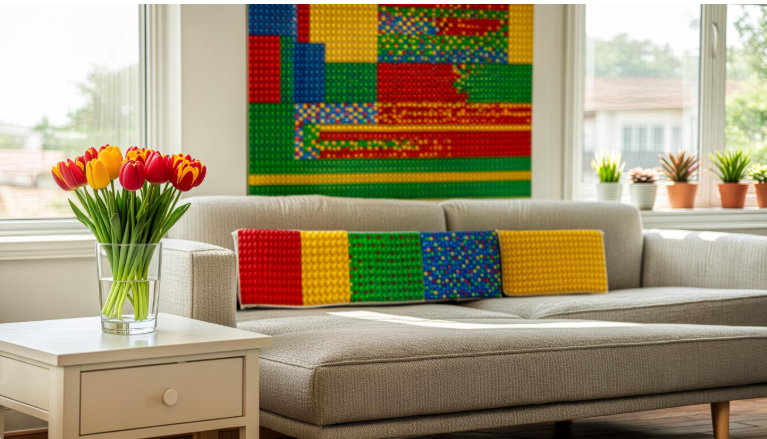
- Abstract panels
- Geometric artwork
- Personalized signs
- Decorative maps
These pieces create visual interest while reflecting individual taste.
Incorporating 3D Printed Home Decor Into Different Rooms
Every room offers opportunities for innovation.
Living Room Styling
Living rooms often feature:
- Decorative sculptures
- Statement vases
- Artistic centerpieces
- Modern organizers
These elements create conversation pieces while enhancing aesthetics.
Bedroom Decor
Bedrooms benefit from:
- Custom bedside accessories
- Decorative lighting
- Personalized wall art
- Minimalist sculptures
The result is a unique and personalized retreat.
Home Office Design
Offices are ideal spaces for 3d printed home decor.
Popular additions include:
- Desk organizers
- Cable management solutions
- Decorative pen holders
- Creative shelving accessories
These items combine function with visual appeal.
Modern Design Trends in 3D Printed Decor
Many contemporary decorating trends align naturally with 3D printing.
Geometric Designs
Geometric forms remain highly popular.
Common examples include:
- Polygonal sculptures
- Angular vases
- Structured lighting fixtures
These designs complement modern interiors.
Organic Shapes
Technology also enables organic, nature-inspired forms.
Popular motifs include:
- Flowing curves
- Botanical patterns
- Natural textures
- Fluid silhouettes
These designs soften contemporary spaces.

Sustainable Aspects of 3D Printed Decor
Sustainability has become increasingly important.
Reduced Waste
Traditional manufacturing often generates excess material.
3D printing minimizes waste by using only the material required for each object.
Eco-Friendly Materials
Many creators now use:
- Recycled plastics
- Biodegradable PLA
- Sustainable composites
These options reduce environmental impact.
Local Production
Items can often be produced locally rather than shipped internationally, reducing transportation emissions.
DIY 3D Printed Home Decor Projects
Many homeowners enjoy creating their own decorative pieces.
Beginner-Friendly Projects
Popular starter projects include:
- Plant pots
- Coasters
- Storage trays
- Decorative bowls
These projects require minimal experience.
Intermediate Projects
More advanced creators may build:
- Lampshades
- Wall panels
- Sculptural art
- Customized organizers
These projects showcase the versatility of 3D printing.
Choosing Colors and Finishes
Color selection influences the final appearance significantly.
Neutral Color Palettes
Modern interiors often favor:
- White
- Black
- Gray
- Beige
Neutral tones emphasize form and texture.
Bold Accent Colors
Bright colors can transform printed objects into focal points.
Popular options include:
- Teal
- Mustard
- Coral
- Emerald green
Strategic use of color creates visual impact.
Combining 3D Printed Decor With Other Styles
3D printed pieces adapt well to various design aesthetics.
Minimalist Interiors
Minimalist spaces benefit from:
- Clean lines
- Functional objects
- Monochromatic palettes
These qualities align naturally with many printed designs.
Scandinavian Style
Scandinavian interiors emphasize:
- Simplicity
- Functionality
- Natural tones
Many printed accessories complement this aesthetic.
Industrial Design
Industrial spaces pair well with:
- Matte finishes
- Geometric forms
- Mechanical-inspired details
This creates a cohesive appearance.
Common Mistakes to Avoid
Overusing Printed Objects
Too many printed items can make a space feel repetitive.
Balance them with natural materials and traditional décor.
Ignoring Quality
Poor print quality can diminish visual appeal.
Focus on well-designed, properly finished pieces.
Choosing Style Over Function
Decorative objects should remain practical whenever possible.
Neglecting Scale
Printed accessories should suit the proportions of the room.
Future Trends in 3D Printed Home Decor
The future looks promising for decorative 3D printing.
Emerging trends include:
- Smart decorative products
- Multi-material printing
- Personalized furniture components
- Interactive home accessories
Innovation continues to expand creative possibilities.
FAQs
What is 3d printed home decor?
It refers to decorative household items created using 3D printing technology, including vases, wall art, sculptures, and functional accessories.
Is 3D printed decor durable?
Yes. Durability depends on the materials used, but many printed objects are suitable for long-term indoor use.
Can I customize 3D printed decorations?
One of the biggest advantages is the ability to customize designs, sizes, colors, and details.
What materials are commonly used?
PLA, PETG, recycled plastics, and specialty composite materials are among the most popular choices.
Is 3D printed decor environmentally friendly?
It can be, especially when using recycled or biodegradable materials.
Does 3D printed decor suit modern interiors?
Yes. Many designs feature clean lines and contemporary aesthetics that complement modern spaces.
Can beginners create their own décor?
Absolutely. Many beginner-friendly projects require minimal technical knowledge.
What are the most popular 3D printed home accessories?
Vases, planters, wall art, organizers, sculptures, and lighting accessories are among the most popular options.
Conclusion
The growing popularity of 3d printed home decor demonstrates how technology and creativity can work together to transform interior design. From personalized accessories and artistic sculptures to functional organizers and innovative lighting solutions, 3D printing offers homeowners unprecedented opportunities for customization and self-expression. By thoughtfully incorporating printed pieces into your home, you can create spaces that feel modern, unique, and perfectly tailored to your individual style.